

Your Logo Is Not Your Brand: Here Is What Actually Builds Brand Identity
April 9, 2026
8
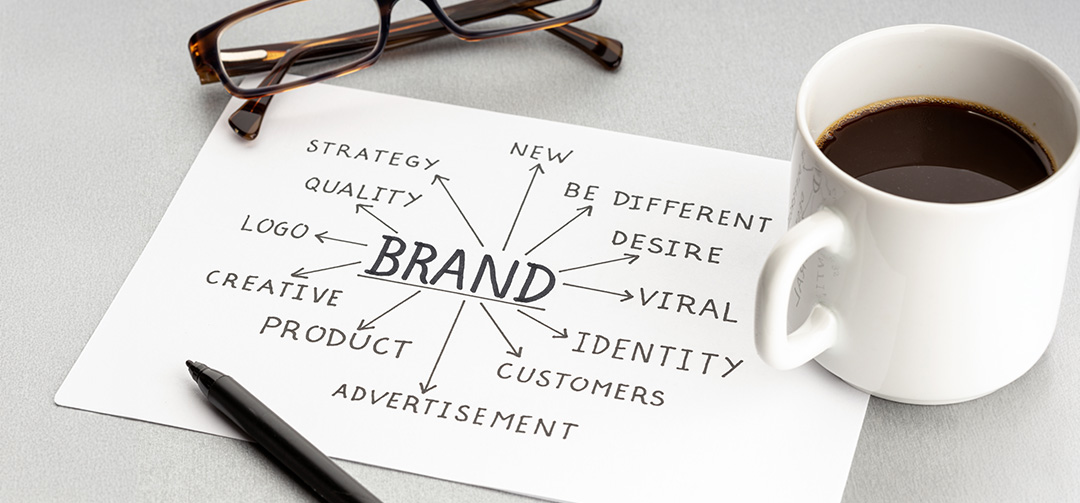
There is a conversation that happens in almost every early-stage business. Someone has just paid a designer a few hundred dollars, the logo files land in their inbox, and suddenly they feel like they have a brand. They change their profile picture, update their website header, print some business cards, and announce to the world: "We are open."
Six months later, they wonder why nobody remembers them.
This is one of the most common and costly misunderstandings in business today. Your logo is not your brand. It never was. It is a symbol, a visual shorthand, a useful tool. But on its own, it is about as meaningful as a name tag at a conference where nobody knows who you are or why they should care.
So what actually is your brand? That is worth slowing down for.
What a Brand Actually Is (And Why Most People Get It Wrong)
Ask ten business owners to define "brand" and you will get ten answers that mostly describe aesthetics. Colors. Fonts. A logo. Maybe a tagline.
These are brand assets. They are not the brand itself.
Your brand is the sum total of how people think and feel about your business when you are not in the room. It is the expectation someone carries before they even open your website. It is the reason a customer recommends you to a friend without being asked. It is what people say about you in a text message after a meeting.
Jeff Bezos reportedly said that your brand is what people say about you when you are not in the room. That framing is useful because it removes the illusion of control. You do not get to simply declare your brand. You earn it, over time, through repeated experience.
Your logo is the packaging. Your brand is what is inside.
The Logo Trap: Why Businesses Over-Invest in Visuals
It is easy to understand why logos get so much attention. They are tangible. You can see them, share them, and point to them as evidence that you are a "real" business. There is satisfaction in holding something finished.
Brand strategy, on the other hand, is harder to pin down. It lives in messaging documents and brand guides and long conversations about values and positioning. It does not have the same satisfying moment of completion.
So businesses pour money into logo redesigns and visual identity refreshes while the underlying brand remains unclear, inconsistent, or simply forgettable.
The result is a beautifully packaged business that nobody connects with.
This is not an argument against investing in good design. Visual identity matters, and it matters a great deal. A thoughtful logo, a consistent color palette, and a clean design system all reinforce brand perception. But they do so as the expression of something deeper, not as a substitute for it.
If you are not sure whether your brand has a strong foundation, Foxtale Media's services include brand strategy and positioning work that helps businesses figure out what they actually stand for before they spend another rupee on design.
The Four Things That Actually Make Up Your Brand
Your Brand Purpose and Values
Why does your business exist beyond making money? This is not a fluffy question. It is the foundation of everything else.
Businesses that can answer this clearly have something to build on. Those that cannot tend to produce marketing that feels hollow, even when the visuals look polished.
Your values are not words you put on a wall. They are the decisions you make when things get difficult. Do you take the deal that compromises quality? Do you let a customer walk away unhappy because fixing it would cut into margins? Do you stay consistent in your messaging even when a trend is pulling you somewhere else?
Values are behavioral. When they are genuine and consistent, people sense it. When they are performative, people sense that too.
Your Brand Voice and Tone
How your business communicates is as much a part of your identity as what it communicates. Are you direct or warm? Authoritative or conversational? Do you write like a textbook or like a person?
Voice is not about sounding clever. It is about being recognizable. When someone reads your Instagram caption, your email newsletter, and your website homepage, they should feel like they are hearing the same voice. Consistency builds familiarity. Familiarity builds trust.
Most brands are inconsistent here not because they do not care, but because different people are writing in different contexts without any shared framework for how the brand should sound.
Your Customer Experience
Every interaction someone has with your business is a brand moment. The way your receptionist answers the phone. The speed of your email replies. The packaging your product arrives in. The follow-up message after a purchase. The apology when something goes wrong.
Brands are built in these details. A logo cannot compensate for a frustrating customer experience. But a genuinely great customer experience can make people overlook a logo that is just okay.
Think about brands you are loyal to. The loyalty is rarely about the visual identity. It is about how the brand made you feel, consistently, over time.
Your Positioning and Differentiation
What makes your business meaningfully different from the alternatives? Not just different in your opinion, but different in a way that matters to your customer?
Positioning is one of the most under-invested areas of brand strategy, particularly for small and mid-sized businesses. Many can describe what they do. Far fewer can explain, in a single sentence, why someone should choose them over the next option.
If your differentiator is "we care about our customers" or "we have great quality," you do not have a differentiator. Those are table stakes. Positioning has to be specific, believable, and relevant to the person you are trying to reach.
This is also the area where professional strategy support makes the most difference. Foxtale Media works with businesses to define positioning that is grounded in real market insight, not wishful thinking.
Why Brand Consistency Matters More Than Brand Perfection
Here is something that surprises many business owners: a mediocre logo applied with perfect consistency will outperform a stunning logo applied inconsistently, almost every time.
Consistency is the mechanism through which brands build recognition and trust. It is not about being boring or repetitive. It is about being reliable. When someone encounters your brand across multiple touchpoints and the experience feels coherent, they start to feel like they know you. That feeling is enormously valuable.
Inconsistency, by contrast, creates friction. If your Instagram voice is casual and funny but your emails read like legal documents, people feel a disconnect. If your website promises one thing and your sales process delivers another, trust erodes.
The fix is not perfection. It is intention. Make deliberate choices about how your brand shows up, and then make sure everyone representing the brand understands those choices.
Real Brand Recognition Does Not Come From Logos. It Comes From Repetition.
Think about the brands you recognize most instantly. You can probably picture their logos, yes. But you can also hear their voice, predict their values, and describe their customer experience. That recognition was built through thousands of consistent brand moments over years, not because someone designed a great logo.
Nike's swoosh is iconic. But it became iconic because it was attached to consistent messaging, a clear brand purpose, and a particular kind of storytelling for decades. The logo did not create the brand. The brand gave the logo its meaning.
This is the right order. Brand strategy first. Visual identity as an expression of that strategy. Execution across every touchpoint with consistency over time.
For businesses that are early in this process or trying to rebuild something that has drifted, Foxtale Media's brand and content services are designed to work through this in the right order, starting with the foundation.
When Should You Worry About Your Logo?
None of this means logos do not matter. They do. A logo that looks outdated, amateurish, or inconsistent with what your brand stands for can undermine perception. First impressions are real.
But the right time to invest in a logo refresh or a full visual identity is after you have clarity on the brand beneath it. Otherwise, you are decorating a house with an unstable foundation.
Ask yourself these questions before spending on visual identity work:
Can you clearly articulate what your brand stands for and who it is for? Do you have a defined brand voice that your team applies consistently? Is your customer experience aligned with the promises your marketing makes? Do you have a positioning statement that genuinely distinguishes you?
If the honest answer to most of these is no, start there. Get the strategy right. Then invest in making it look great.
How Small Businesses Can Start Building Real Brand Equity Today
You do not need a large budget to start building a brand that means something. What you need is intention and consistency.
Define Your One Thing
What is the single most important thing you want people to believe about your business? Not a list. One thing. If you cannot name it, neither can your customers.
Audit Your Touchpoints
Walk through every point of contact someone has with your business, from first awareness to post-purchase. Does each one feel consistent with the others? Are there gaps where the experience breaks down?
Create Simple Brand Guidelines
These do not need to be a hundred-page document. Even a short guide that covers your voice, your values, your visual rules, and your positioning will give your team something to work from.
Commit to Consistency Over Perfection
Ship the imperfect post. Send the email that is close but not exactly right. Done and consistent will always outperform perfect and sporadic.
Get Outside Help When You Are Too Close
One of the hardest things about brand strategy is that it is nearly impossible to see your own business clearly. You know too much. You are too close to the product, the history, the internal politics.
Working with an outside team brings perspective that is difficult to generate from inside. It also brings process, which means the strategy work actually gets finished instead of sitting in a Google Doc somewhere.
If you are ready to build a brand that actually sticks, take a look at what Foxtale Media does for businesses that are serious about getting this right.
The Bottom Line
Your logo is a door. It can be beautifully designed, well-crafted, and memorable. But it is still just an entry point. What matters is what happens once someone walks through it.
The businesses that win in the long run are not the ones with the prettiest logos. They are the ones with the clearest purpose, the most consistent voice, the most reliable experience, and the sharpest positioning. Those are the things that make people come back, recommend you to others, and choose you over a cheaper alternative.
Build the brand first. Let the logo follow.


%201.svg)